


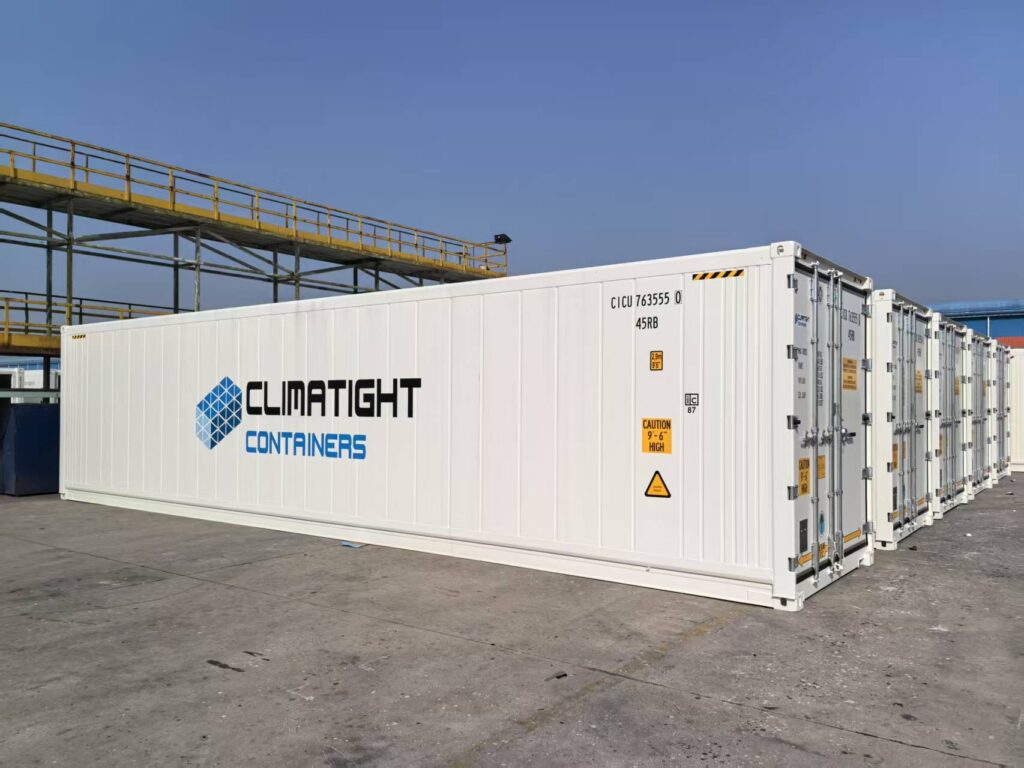
Refrigerated containers sit at the core of Australia’s cold chain. Food and beverage operators, mining camp operators and event organisers rely on them to protect stock, meet compliance requirements, and reduce losses during storage.
That dependence makes preventive maintenance essential. Well-maintained units run more efficiently, minimise downtime, and help businesses control energy use while extending equipment lifespan in demanding operating conditions.
Why Preventive Maintenance Matters for Refrigerated Containers
Australia’s cold chain logistics market will reach approximately AUD 7.2 billion in 2026, with a projected 3.66% annual growth. In other words, more businesses are relying on refrigerated containers, both directly and indirectly.
Maintenance is an underappreciated yet essential part of the nation’s supply chain:
- Refrigeration can account for 25% to 85% of total energy use in temperature-controlled operations.
- Australia loses over AUD 36.6 billion in food waste annually, partly due to temperature control issues.
- Maintenance prevents spoiled stock, delivery delays, and costly emergency repairs.
Preventive maintenance helps stabilise cooling performance and reduce avoidable product losses. It also supports compliance with Australian food safety and pharmaceutical regulations by ensuring consistent temperature control across storage and transport.
Common Issues That Reduce Refrigerated Container Efficiency
Efficiency losses in refrigerated containers usually develop gradually, not suddenly. In Australian conditions, the most common causes include:
- High ambient temperatures: Extreme heat increases compressor workload and exposes airflow or calibration issues that reduce cooling efficiency over time.
- Frequent door openings: Warm, humid air enters the container during loading and access, especially at events, retail sites, and food service operations.
- Humidity in coastal and tropical regions: Moist air condenses inside evaporator units and freezes on coils, restricting airflow and forcing refrigeration systems to work harder.
- Poor loading and airflow restriction: Incorrect pallet placement blocks vents, causes uneven cooling, and increases energy use during peak operating periods.
- Remote or variable power supply: Generators and unstable site power lead to voltage fluctuations, loose connections, and intermittent shutdowns.
- Worn door seals and insulation damage: Escaping cold air increases compressor run time, drives up power costs, and makes temperature control harder to maintain.
Learn more: Common Reefer Container Issues and Easy Maintenance Solutions.
5 Preventive Maintenance Practices That Improve Performance
Here are some preventive maintenance practices that improve performance, efficiency, and reliability over time:
Cleaning and Hygiene Management
Routine cleaning keeps refrigeration systems efficient. Clean condenser coils regularly to maintain proper heat exchange, particularly in outdoor or industrial environments where dust and debris accumulate quickly.
Keep interiors clean and dry to prevent contamination and moisture damage. Clear drains and vents to avoid water build-up, which restricts airflow and reduces cooling efficiency over time.
Door Seals and Insulation Checks
Door seals play a direct role in temperature control. Compromised insulation allows heat transfer, forcing refrigeration systems to work harder to maintain set temperatures.
Inspect gaskets regularly for cracks, stiffness, or compression. Check insulation panels for damage or moisture ingress.
Temperature Monitoring and Control
Regular temperature checks confirm systems operate as intended. Compare set points with actual internal readings to detect drift before it affects stored goods.
Digital monitoring systems improve response time. Alerts flag changes early, while accurate temperature logs support compliance and highlight when recalibration or servicing is required.
Electrical and Power System Maintenance
Reliable power keeps refrigeration systems stable. Inspect cables, plugs, and connections to prevent interruptions that cause sudden shutdowns or inconsistent cooling.
Maintain a stable power supply to protect compressors and control boards. Test alarms and safety systems routinely so that faults trigger alerts before conditions escalate.
Defrosting and Airflow Management
Effective defrosting keeps evaporator coils clear and airflow unrestricted. Ice build-up forces systems to work harder and increases energy consumption.
Keep vents unobstructed and load goods correctly. Proper airflow prevents hot spots, supports even cooling, and reduces strain on refrigeration components.
Routine Performance Reviews and Servicing
Monthly performance reviews help catch problems early. Review temperature logs, monitor power use, and test alarms and controls to confirm systems operate as intended and respond correctly to faults.
Scheduled servicing supports long-term reliability. Arrange professional inspections based on usage intensity, operating hours, and environmental conditions to prevent wear from escalating into failures.
When Professional Servicing Matters
While routine checks handle day-to-day maintenance, professional servicing remains essential. Qualified technicians can identify early signs of wear that basic inspections may miss.
Professional servicing typically includes refrigerant checks, compressor inspections, and control system testing. These measures reduce breakdown risk and extend the operational lifespan of refrigerated containers.
Maintenance schedules should reflect operating conditions. Containers used continuously or exposed to extreme heat often need more frequent servicing.
Starting With the Right Refrigerated Container
Container quality plays a significant role in maintenance schedules and longevity. Climatight 20ft refrigerated containers maintain temperatures from –30°C to +30°C, deliver accurate humidity control, and use high-performance insulation to stabilise internal conditions and reduce strain on refrigeration systems.
Weather-proof construction and corrosion-resistant materials provide durability in Australian environments. Secure locking systems, food-grade interiors, and energy-efficient refrigeration units simplify cleaning, inspections, and compliance while maintaining consistent performance during storage and transport.
Hire or Buy? How to Choose Your Refrigerated Container Solution
Businesses with a regular need for reliable transport and storage often look for refrigerated containers for sale. Purchasing provides greater control and flexibility, although the buyer becomes responsible for servicing and operating costs.
Refrigerated container hire is better for short-term or seasonal storage, or one-off logistics requirements. When you hire refrigerated containers, regular maintenance is typically the supplier’s responsibility.
Explore 20ft refrigerated containers designed for reliable performance in Australian conditions.
Consistent Care Delivers Long-Term Efficiency
Preventive maintenance helps you keep refrigerated containers efficient, reliable, and compliant. When you clean, inspect, and monitor systems regularly, you reduce the risk of breakdowns and avoid unnecessary downtime and repair costs.
By maintaining airflow, calibration, and component condition, you control energy consumption and prevent efficiency losses that quietly drive up operating costs.
A Smarter Approach to Refrigerated Container Performance
Keeping your refrigerated container well-maintained starts with choosing a reliable unit. At Climatight Containers, we offer high-quality refrigerated container hire and refrigerated containers for sale built for efficiency, durability, and easy maintenance.
Contact us at [email protected] or call 0475 000 560 to discuss a refrigerated container solution that protects your goods and supports long-term performance.