


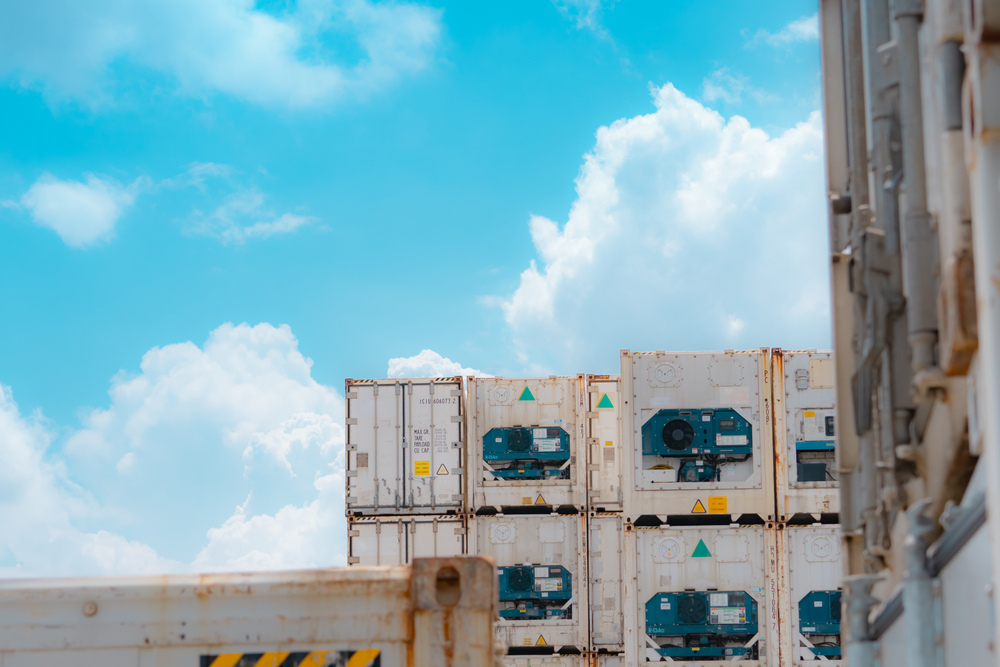
Refrigerated containers sit at the heart of the cold chain, supporting industries from pharmaceuticals to mining. Their efficiency decides whether goods stay safe, fresh, and compliant. It is important to understand what separates an average unit from a high-performing one.
Temperature control, build quality, and smart monitoring determine whether refrigerated containers deliver consistent reliability across Australian conditions.
The Role of a Container Cooling System
A container cooling system is the backbone of efficiency. It works by circulating chilled air evenly across the cargo space. This constant airflow prevents hot spots that could damage perishable goods.
Modern systems use advanced compressors and variable-speed fans to balance performance and energy use. Instead of running at one speed, they adjust to the load and conditions. This reduces strain and extends the life of the unit.
Some systems now integrate smarter control panels that fine-tune settings automatically. These upgrades cut down on wasted energy while keeping cargo stable. Consistency is everything when it comes to efficiency.
How Temperature Control Enhances Container Efficiency
Strong temperature control improves refrigerated container efficiency in several important ways:
- Stable operation: Steady temperatures prevent unnecessary compressor cycles. The cooling system works smoothly without overloading and maintains balanced energy use.
- Lower energy consumption: Consistent conditions reduce the power needed for cooling. The system uses less energy by avoiding frequent corrections.
- Cargo protection: Sensitive goods such as seafood, meat, and pharmaceuticals stay within safe ranges. Stable conditions prevent waste, spoilage, and costly losses.
- Compliance support: Accurate temperature control helps industries like healthcare meet strict standards. It also reduces the risk of spoilage-related claims.
- Smarter monitoring: Remote temperature monitoring provides live tracking and adjustments. Operators respond quickly and fix issues before cargo is compromised.
How Long Does Different Cargo Survive With and Without Cooling
Without proper cooling, every shipment becomes a race against time, with spoilage starting far sooner than most realise:
| Cargo Type | With a Refrigerated Container | Without Refrigeration |
| Fresh fruit and vegetables | 1–4 weeks, depending on type | A few hours to 2 days |
| Dairy products (milk, cheese, yoghurt) | 1–3 weeks | 4–6 hours |
| Fresh seafood | 1–2 weeks on ice or chilled | 2–3 hours |
| Raw meat and poultry | 1–3 weeks chilled or frozen | 4–6 hours |
| Frozen goods (ice cream, frozen meals) | 3–12 months | 1–2 hours before thawing |
| Pharmaceuticals and vaccines | Months within +2 °C to +8 °C | Potency is lost in 1–2 hours |
| Blood and plasma supplies | Up to 42 days at 1–6 °C (red cells) | 30 minutes to 1 hour |
The Bigger Picture: Spoilage in Australian Cold Chains
A study by the Department of Agriculture shows just how much of our harvest we lose due to weak cold-chain control:
- About 25% of fruit and vegetables perish before reaching the market, nearly 1.93 million tonnes.
- Meat loss is about 3.5% of annual production, or 155,000 tonnes, worth around $670 million.
- Seafood waste is 3.5%, more than 8,500 tonnes, valued at $90 million.
- Dairy loses 1% of production, about 90,000 tonnes, valued at $70 million.
All up, a weak cold food chain costs Australia $3.8 billion annually in lost produce at farm-gate value. It also adds around 7 million tonnes of CO₂-e, which is about 1.3% of national carbon emissions.
Insulation and Build Quality
The structure of the container plays a critical role in efficiency. Quality insulation blocks external heat and reduces the cooling unit’s workload. High-density foam panels, airtight door seals, and reinforced walls all strengthen thermal performance.
Containers with superior insulation hold temperatures for longer during power interruptions. Government data shows that adopting best practices in refrigeration, including proper insulation, can slash energy use by 10–20%.
By contrast, substandard insulation can raise energy consumption significantly.
Advanced Temperature Monitoring
Modern monitoring systems are transforming refrigerated container management. Instead of relying on manual checks, operators can now access live data.
Real-time monitoring provides several advantages:
- Cargo safety is improved because any shift in conditions triggers alerts.
- Operators gain automated logging for compliance records, reducing paperwork.
- You improve efficiency by making instant adjustments that cut wasted energy.
Flexibility Through Refrigerated Container Hire
Not every business chooses to buy new containers outright. Businesses access modern, efficient units through refrigerated container hire without heavy upfront costs.
Seasonal industries such as catering or floristry benefit from short-term hire during peak demand. Companies that need reliable cold storage but want to avoid maintenance risks benefit from long-term hire.
Climatight provides containers in multiple sizes, from compact 10-foot units to high-capacity 40-foot models. Technicians maintain each unit to modern standards so clients always work with efficient and compliant equipment. This flexibility allows businesses to focus on operations rather than equipment upkeep.
Learn more: How to Save Costs with Used Refrigerated Containers.
Premium Refrigerated Containers for Australian Businesses
Climatight Containers supply modern refrigerated sea containers that protect temperature-sensitive products across industries. Mining camps, construction sites, catering services, florists, wineries, and food producers all rely on our units for stable storage without the cost of building fixed cold rooms.
Our containers operate in a wide temperature range of -30 °C to +30 °C with precise humidity control. Food-grade stainless steel interiors, emergency release doors, and robust weatherproofing keep goods safe in Australia’s toughest conditions.
Book your refrigerated container today.
Why Businesses Choose Climatight
- Security and reliability: Every container includes strong locking systems, weatherproof construction, and emergency safety features.
- Flexibility and affordability: Hire options allow you to access low-cost cold storage without heavy capital investment.
- Ease of use: Containers are simple to operate, easy to transport, and can be shipped globally when required.
- 24/7 support: Our team provides around-the-clock assistance across metro areas in WA and SA.
Keep Your Cold Chain Efficient
Efficient refrigerated containers rely on smart cooling, strong insulation, and precise monitoring. These features cut energy use, protect sensitive cargo, and extend equipment life. Choosing the right container safeguards products and ensures reliable operations.
Explore Climatight’s refrigerated container range for modern solutions, or use remote monitoring for real-time control. Contact Climatight Containers today for refrigerated container hire at [email protected] or call 0475 000 560.